

CLIENT: ÁGUEDA MINUCIPALITY
LOCATION: ÁGUEDA, PORTUGAL
AREA: 4.500 SQM
DATE: 2017
STATUS: COMPLETED
ARCHITECTURE: FRANCISCO SALGADO RÉ, BRUNO ANDRÉ
AWARDS:
EU – MIES VAN DER RHOE AWARD 2019 NOMINEE
BUILDING OF THE YEAR 2019 FINALIST
ARCHITECTURE MASTERPRIZE 2018 HONOURABLE MENTION
CONSTRUIR AWARDS 2018 NOMINEE
The design of the CAA / Águeda Arts Centre reflects the efforts to navigate the complex challenge of creating a solution that fits seamlessly into its diverse context—considering not just the physical aspects but also the cultural, economic, and political dimensions—while also aspiring to be a top-notch cultural hub. This endeavor led to rethink the role of the architect itself, along with the architectural approach, methods and mindset.
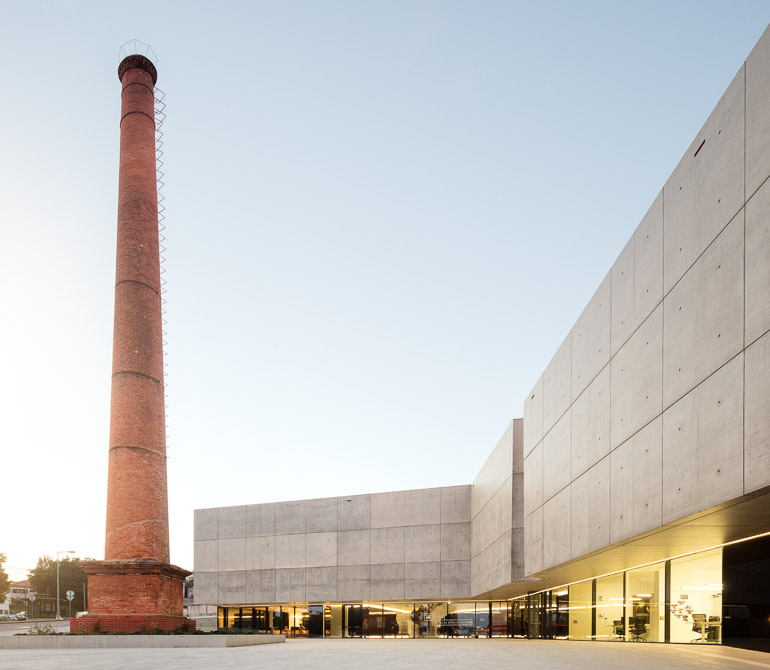
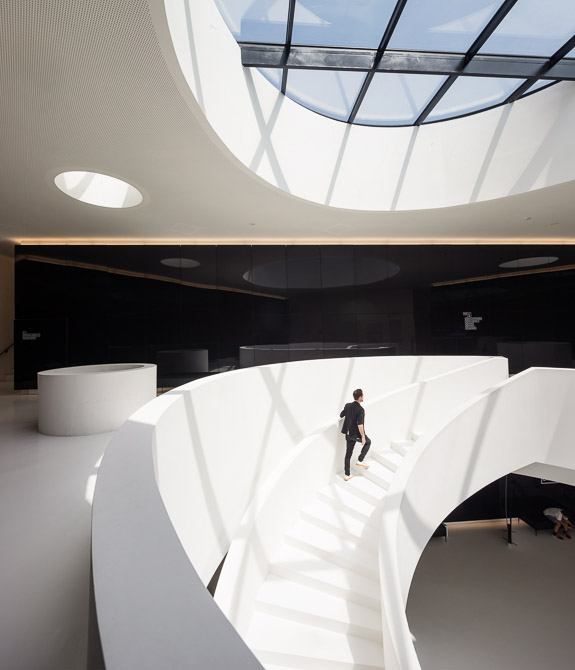
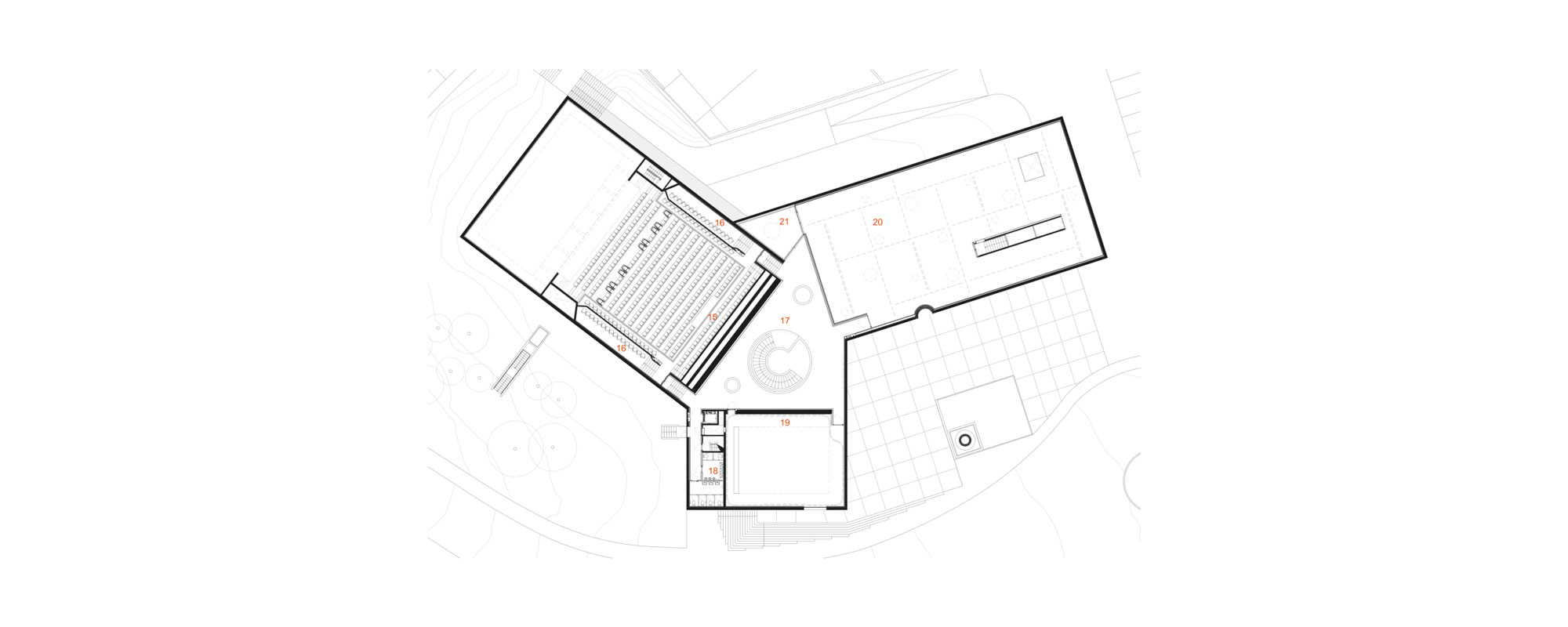
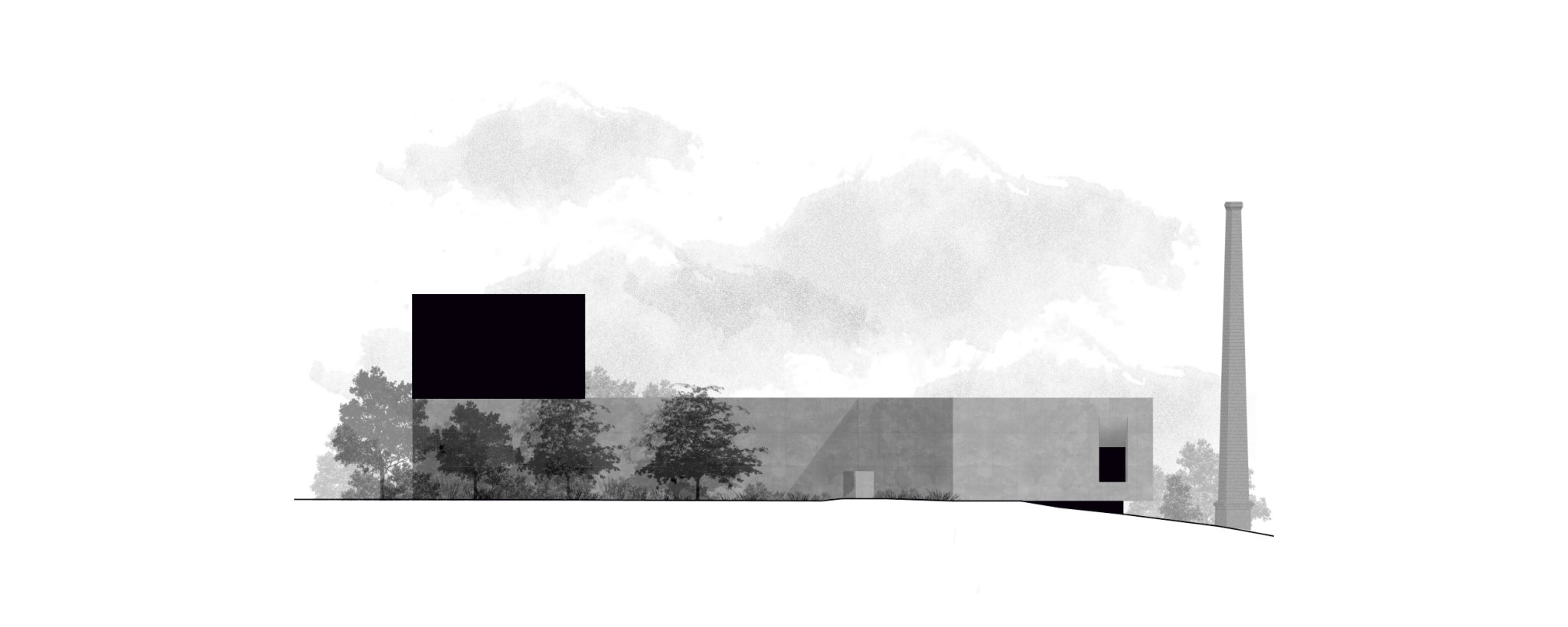
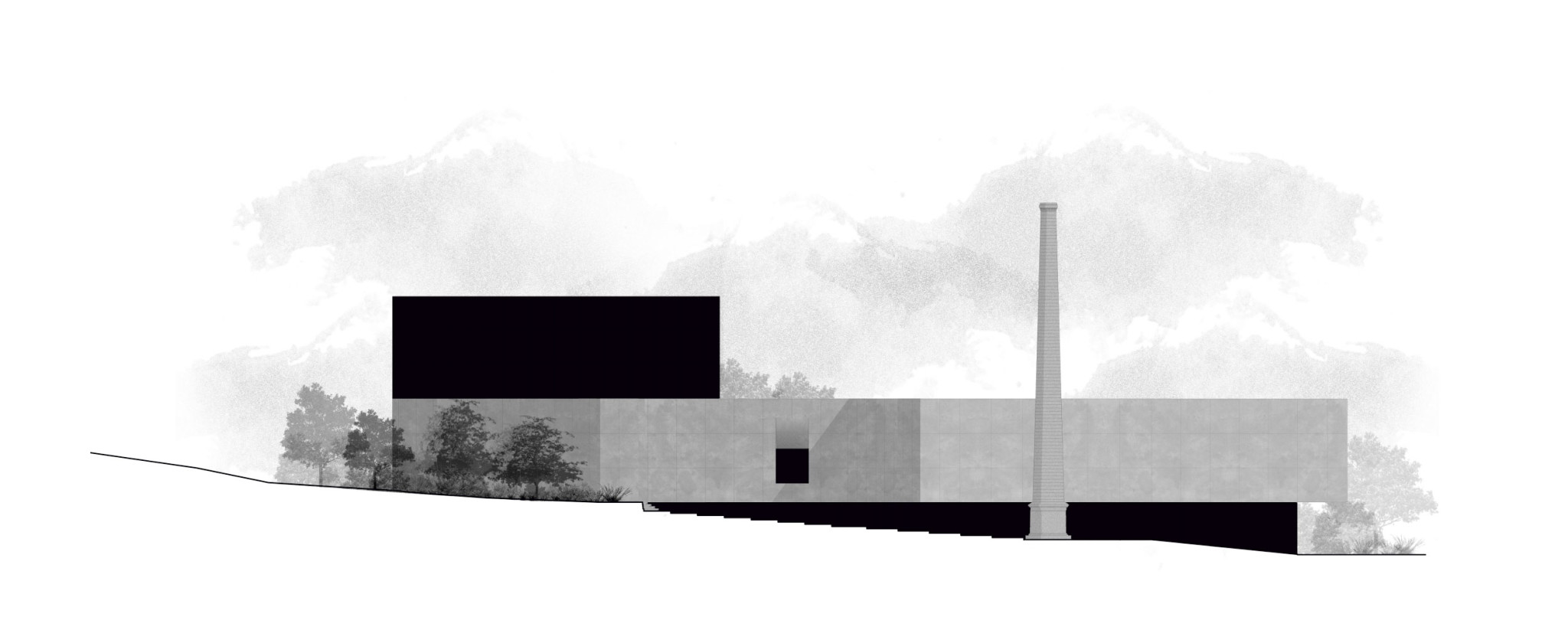
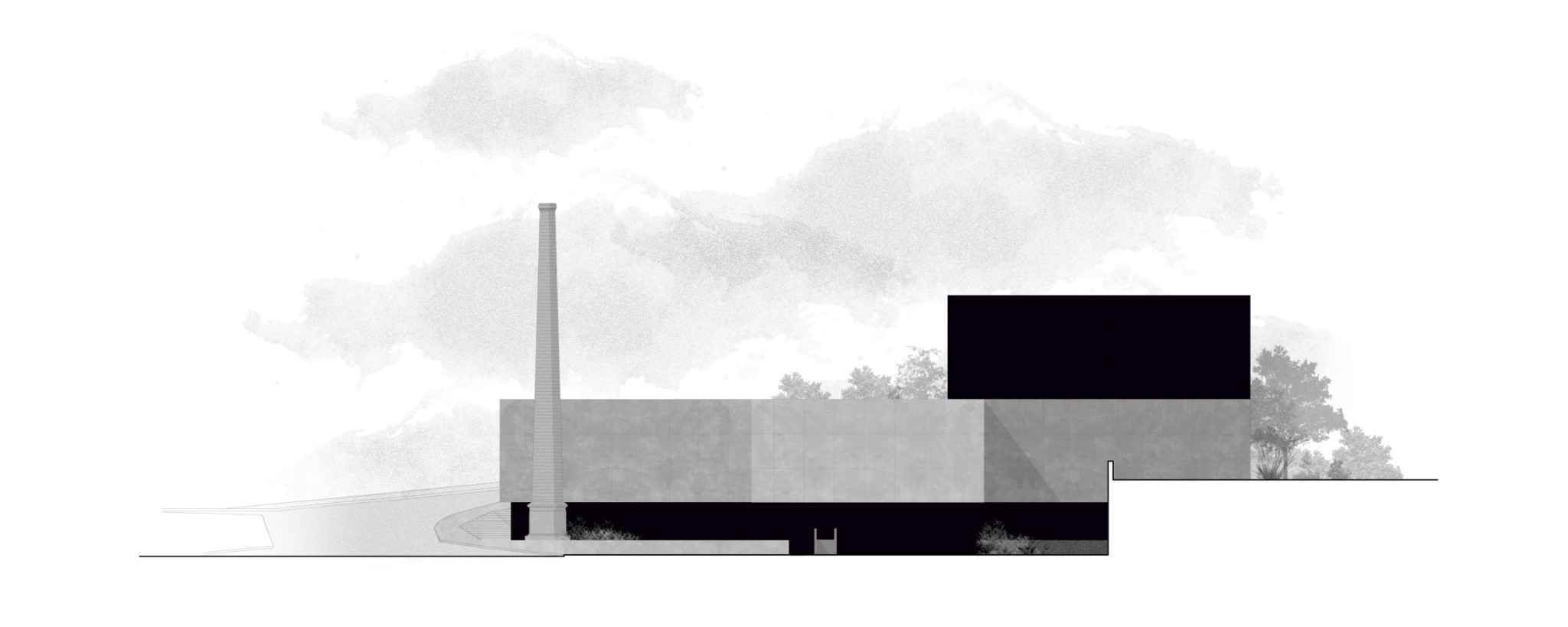
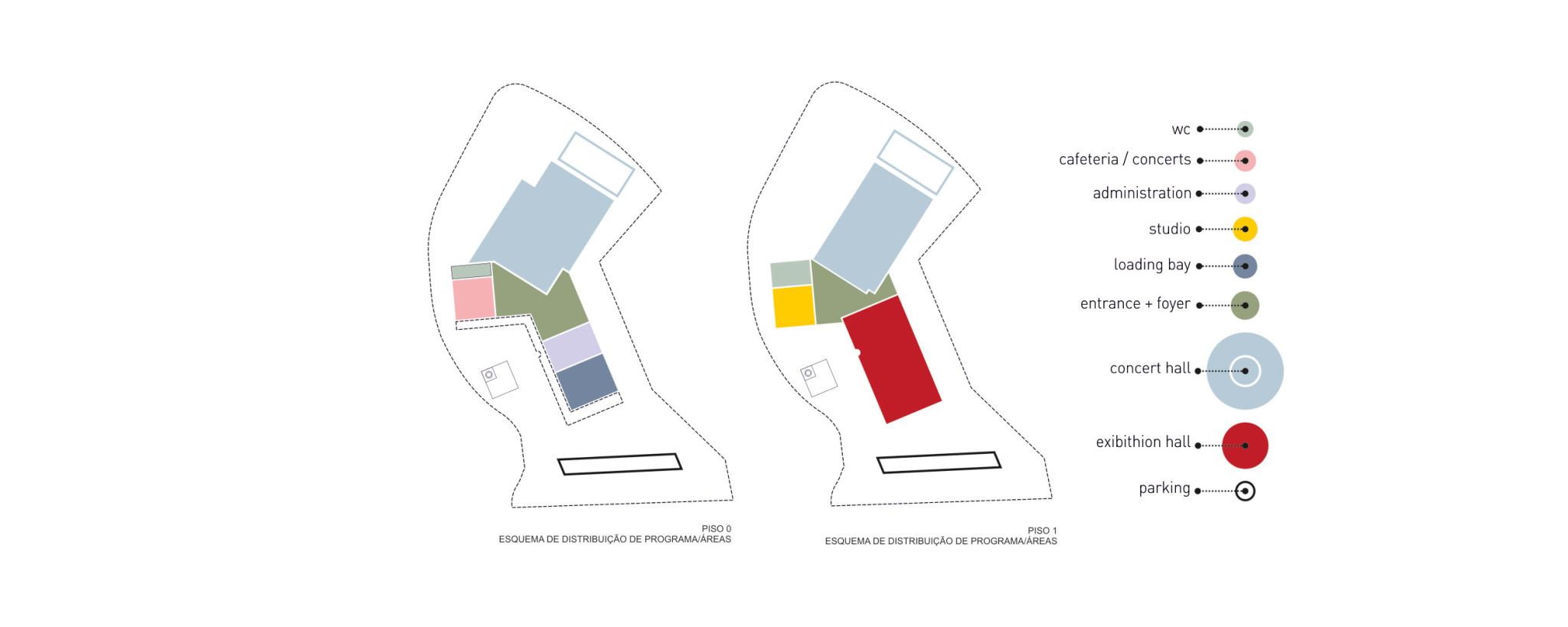
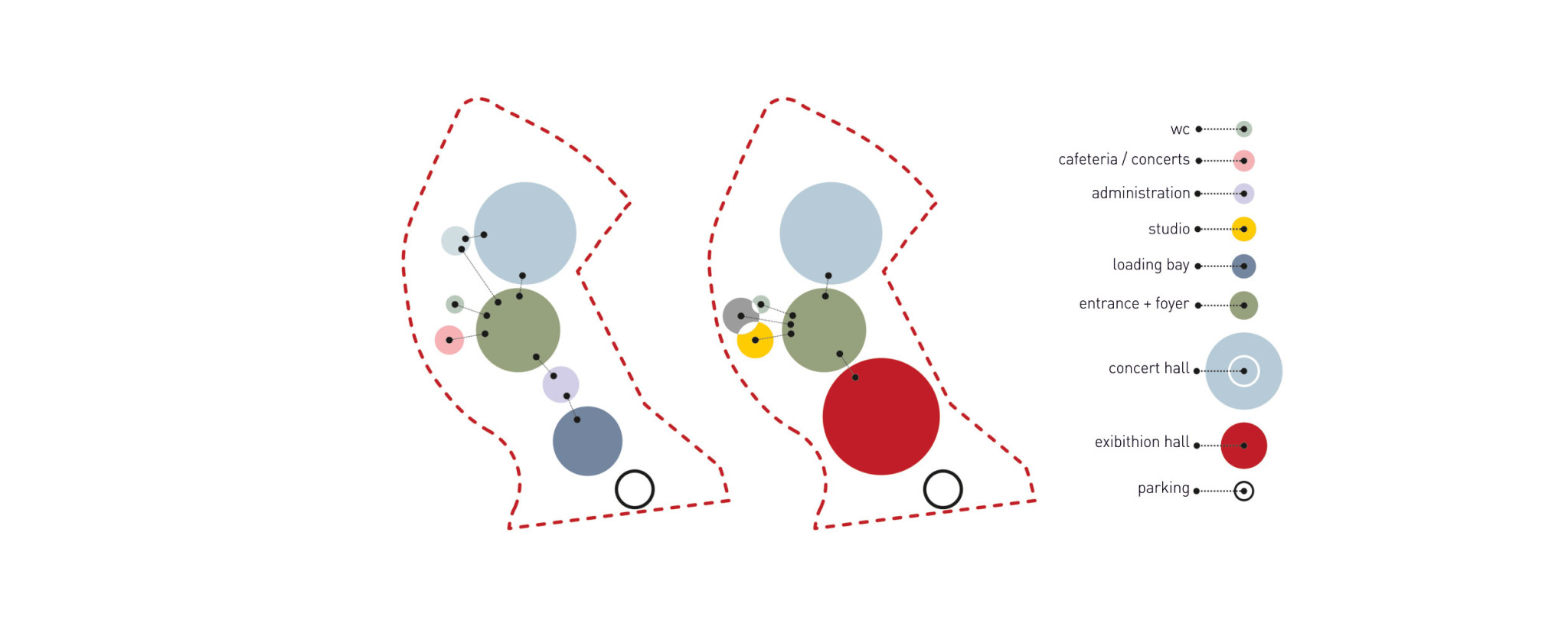
Approaching the task with both practicality and creativity, the program needs where carefully translated into a well-thought-out structure focused on maximizing functionality. The 4,500sqm building is shaped by three dynamic physical elements, purposefully accommodating the main components of the indoor program: a 600-seat auditorium, an expansive exhibition hall, and a lively concert-cafe, all radiating from a central distribution core.
Apart from these central features, the space includes additional areas like a versatile studio room, a thoughtfully arranged book store and shop, spaces for conservation, administration, production, and various support functions. The end result is an architectural project that integrates diverse functionalities into a cohesive and aesthetically appealing whole.
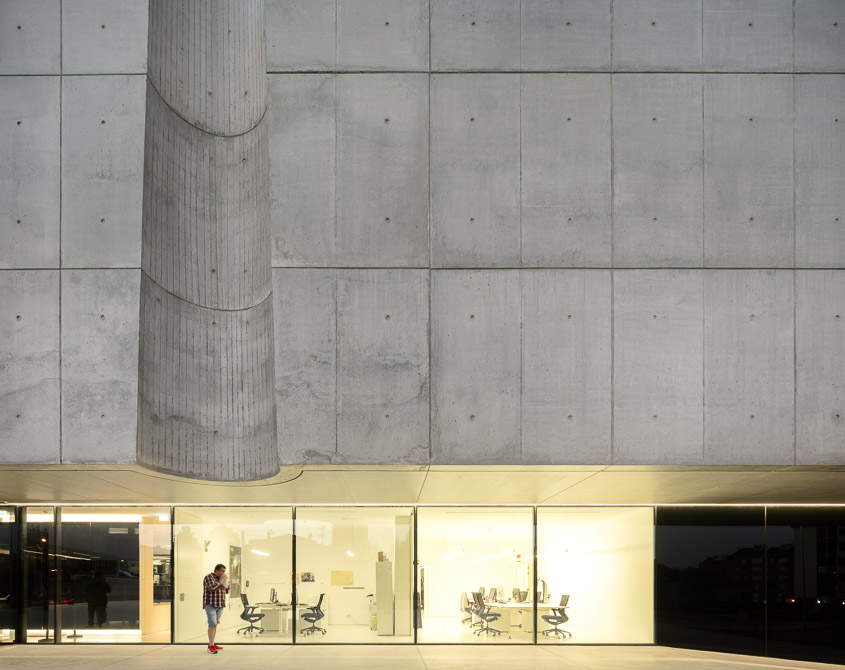

The external architectural identity is defined by a prominent exposed concrete structure that envelops the site, giving rise to a new public square that enhances the cityscape. This voluminous structure appears to hover above a transparent glass mass, creating a permeable and inviting atmosphere for the public. The architectural form, shaping the building, deliberately sheds any artificial iconic elements while preserving the institutional significance deserving of such a facility.
Striving for a harmonious blend of pragmatic execution techniques and the poetry of space, the design invites visitors on a journey through the constructed body, which serves both as a container and a catalyst for cultural experiences. The architecture seeks a seamless fusion, maintaining the practicality of its construction while delivering a sensitive and engaging spatial narrative to those exploring its cultural offerings.

The creation of the Águeda Arts Centre unfolded in the aftermath of a huge Portuguese financial crisis, demanding a fresh strategic approach and an extraordinary commitment from all the designers, engineers, and specialists involved in its realization. The challenge was unequivocal: achieve an optimal solution within a constrained budget, aiming to establish a culturally significant public infrastructure without compromising quality and coherence. The goal was to cultivate culture, engage with the community, attract new audiences, and uplift the city’s cultural profile, generating ripple effects beyond the physical confines of the building.
Within this framework, the project and construction of CAA symbolized a paradigm shift, a resilience in the face of adversity, embodying a novel ethos in architecture. It signaled a broader understanding of context, adopting a new posture to confront conjectural challenges, and demonstrating a determination to surmount political and economic constraints. This transformation redefined the architect’s role, expanding beyond mere design to embrace a creative managerial perspective that addresses various concerns. These include not only the design itself but also considerations of cost control, program feasibility, advocacy for public interests, safeguarding the building’s present and future integrity, protecting professional integrity, and managing expectations.
Today, the Águeda Arts Centre stands as a testament to a somewhat remarkable feat—a product of an era marked by challenges that sparked the reinvention of architectural practices. It is a structure that not only fulfills but surpasses all the ambitious goals it set out to achieve.


The choice of materials for the Águeda Arts Centre was intentionally uncomplicated, eliminating visual clutter from the building’s facade. This purposeful simplicity redirects attention from the structure itself to the rich content within. Simultaneously, it enables a methodical control of building costs. The ground floor, in direct interaction with the city and the public, features expansive glass elements, fostering a sense of openness, engagement, and permeability.
In contrast, the upper mass is composed structurally of exposed concrete, deliberately left raw and authentic, revealing nothing but the unvarnished truth of the building. Stripped of superficial embellishments, it stands as a bold proclamation, asserting an honest and forthright architectural position. Despite its simplicity, it doesn’t fade into the background but rather, in the words of Dylan Thomas, it “does not go gently into that good night.” The seemingly suspended concrete mass serves as a provocative gesture, creating tension and a dramatic ambiance that embodies the building’s robust personality and its roots in the surrounding context.
photos by: Fernando Guerra / José Caldeira / Francisco Salgado Ré
See also the visual identity project here.